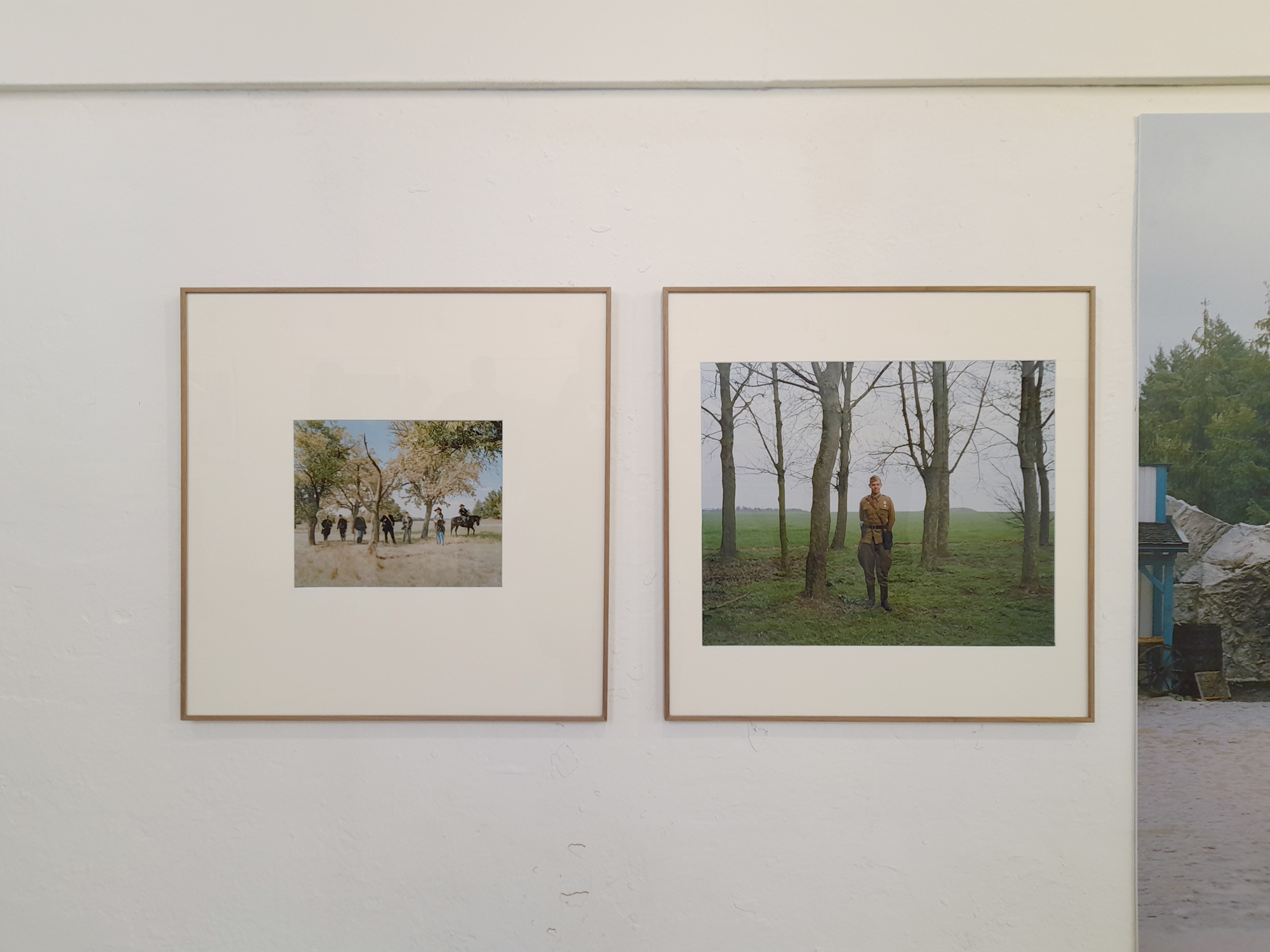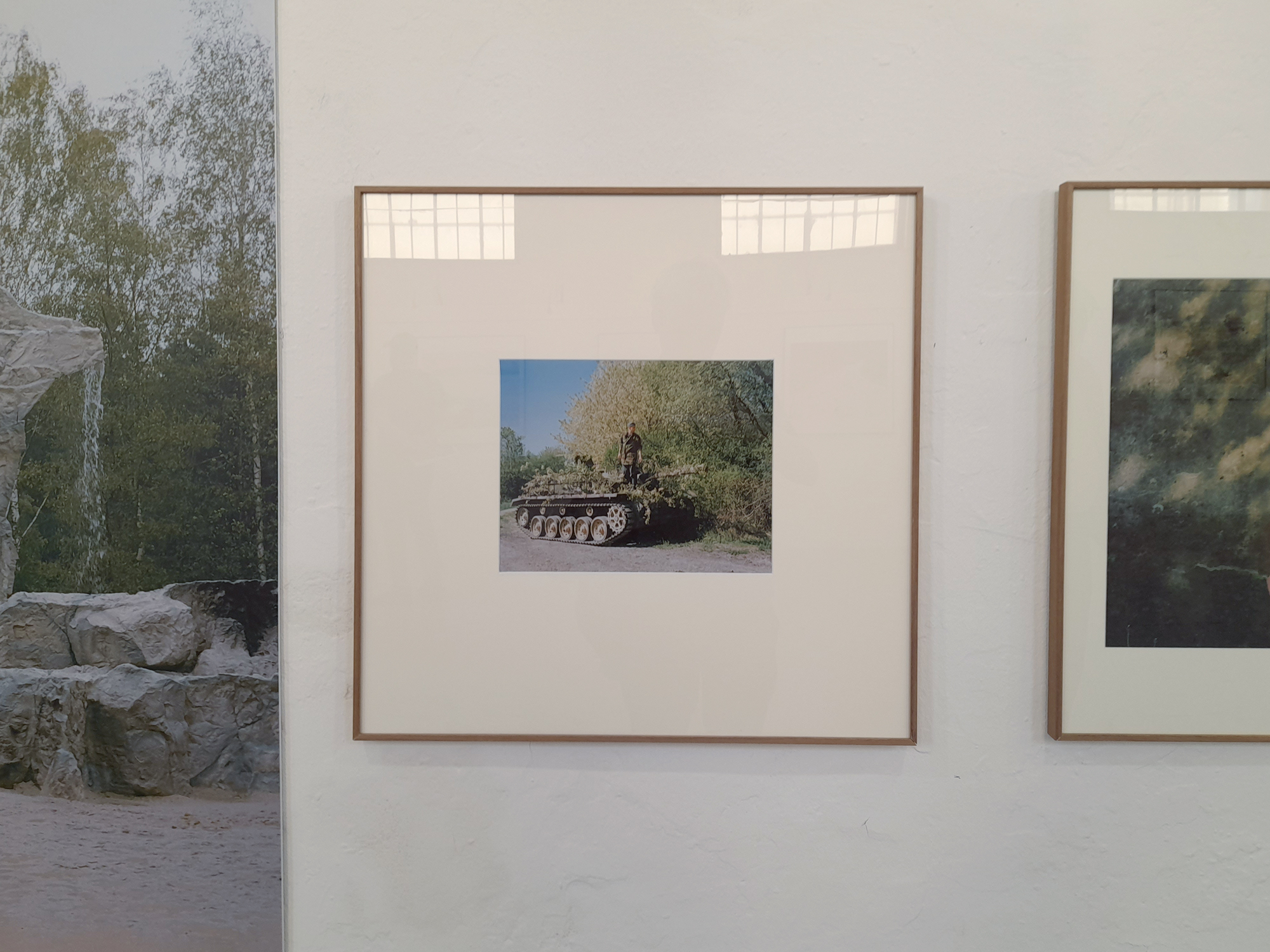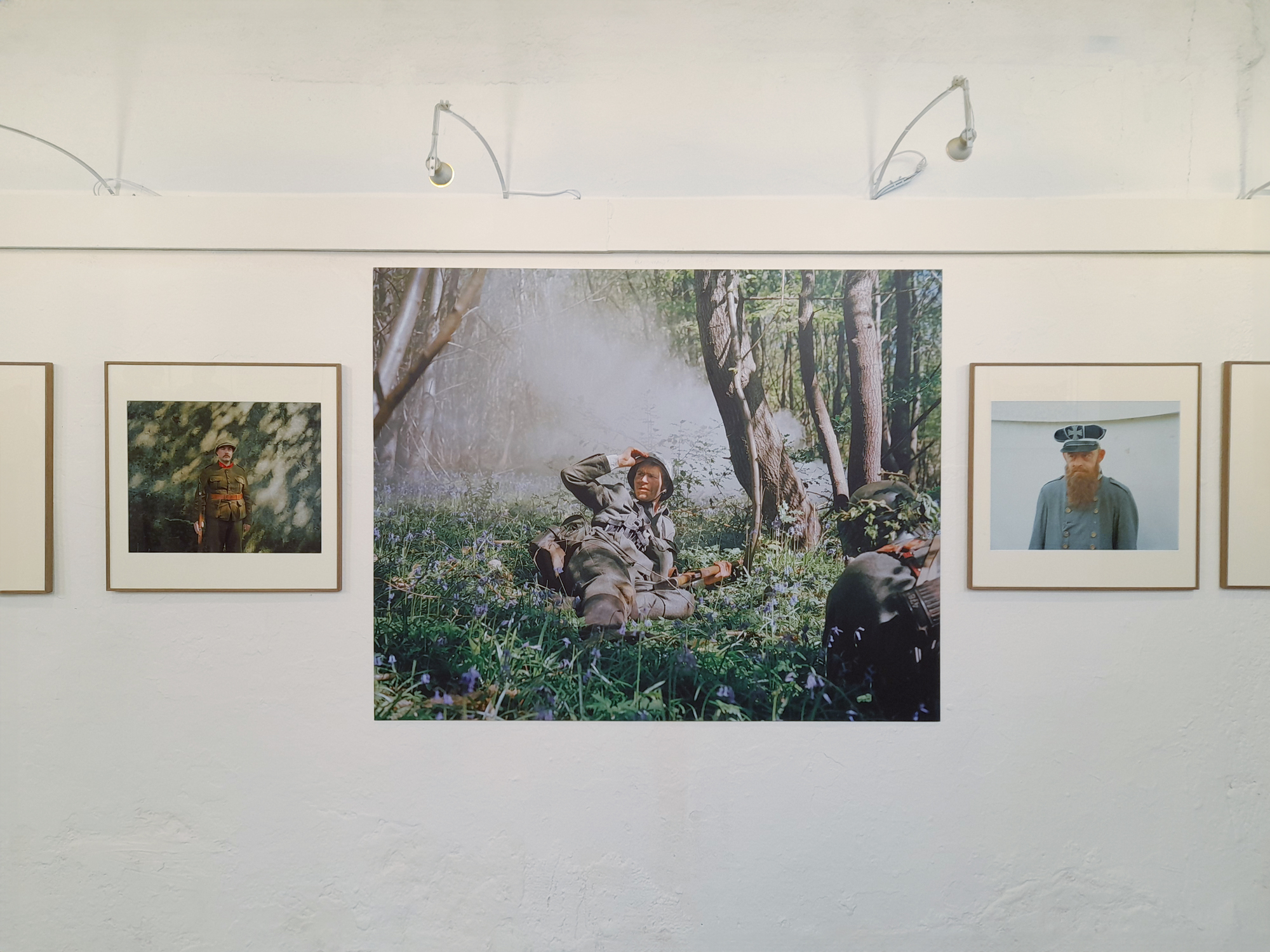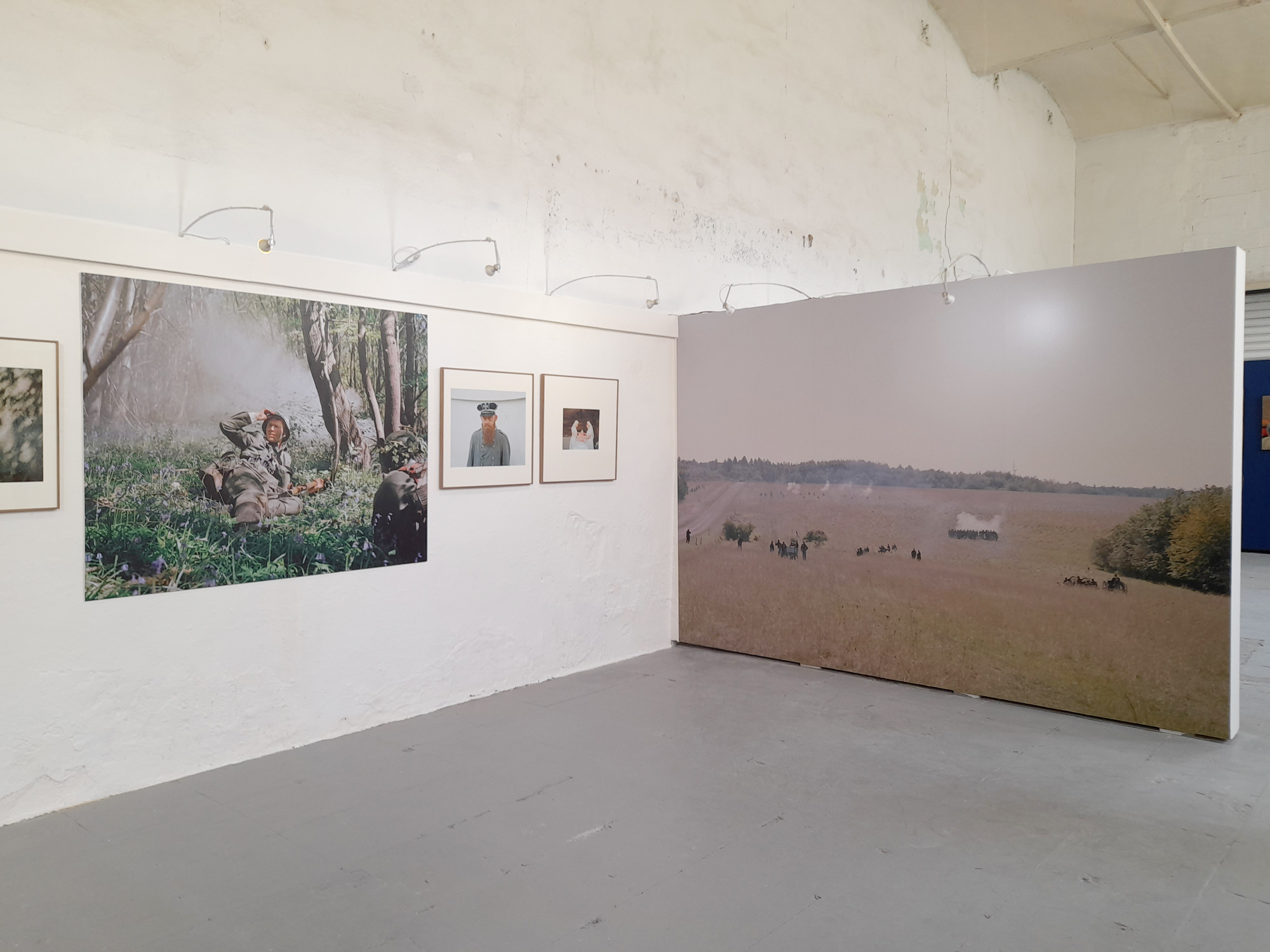









Based on True Events
2019 - 2023
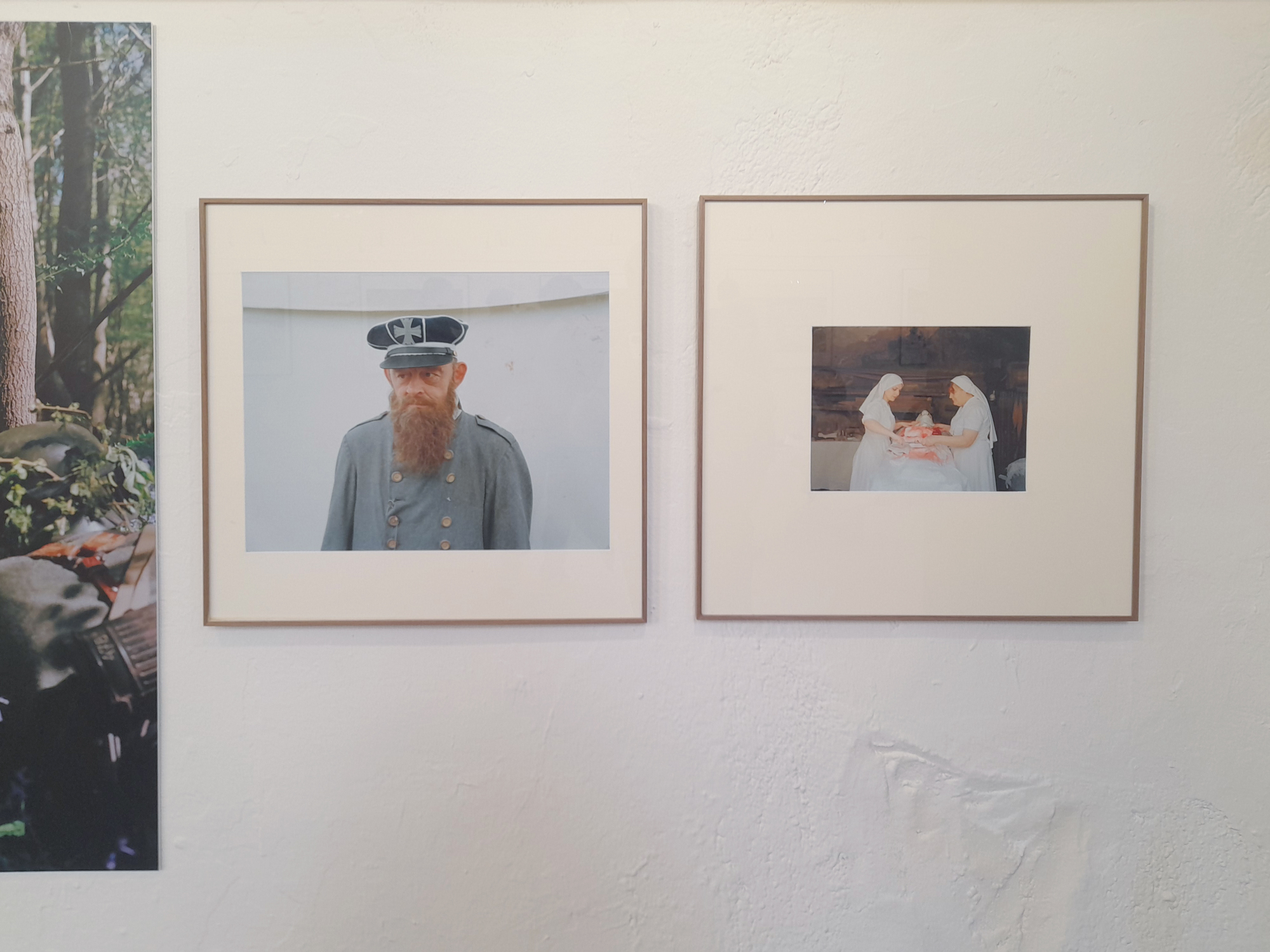
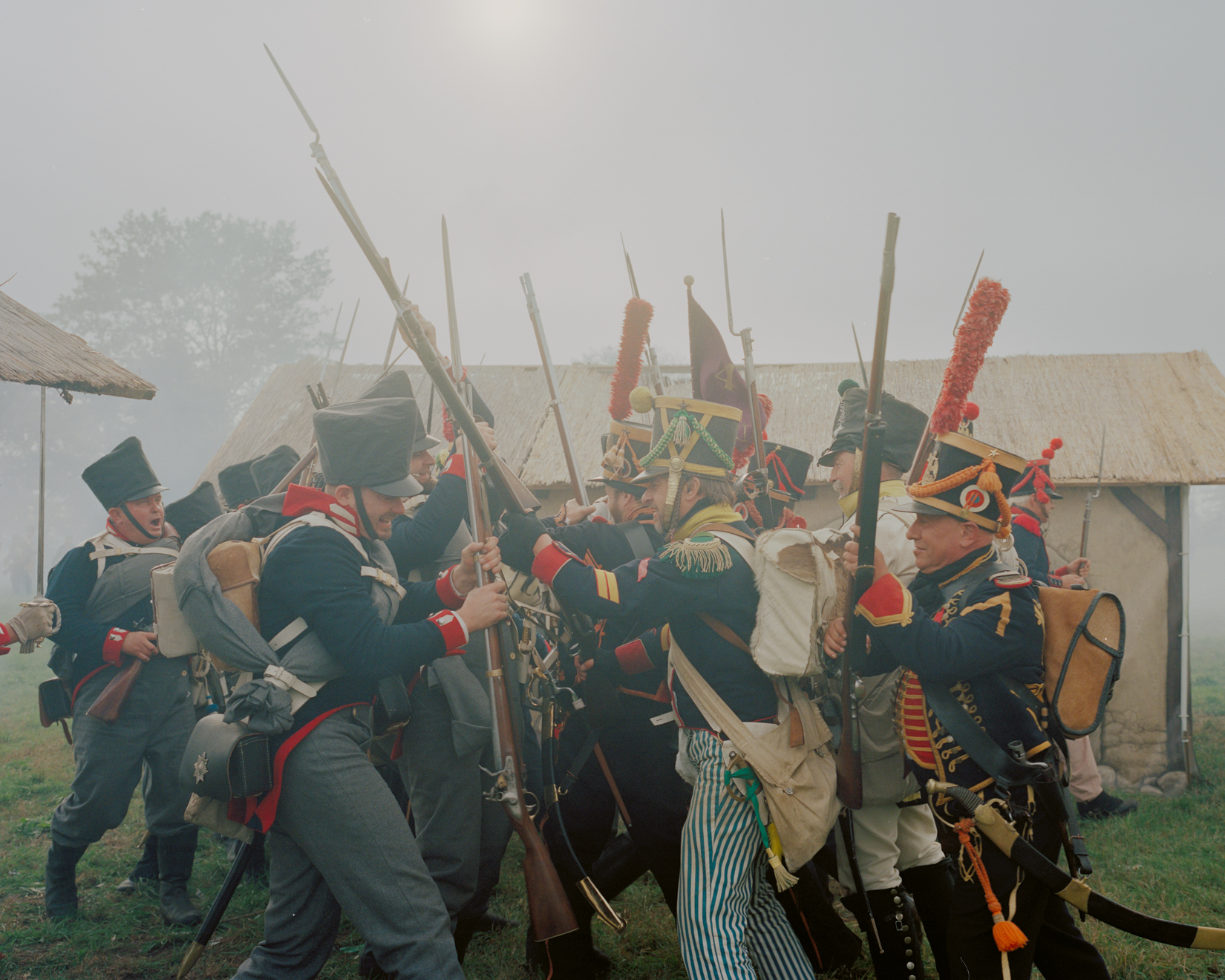
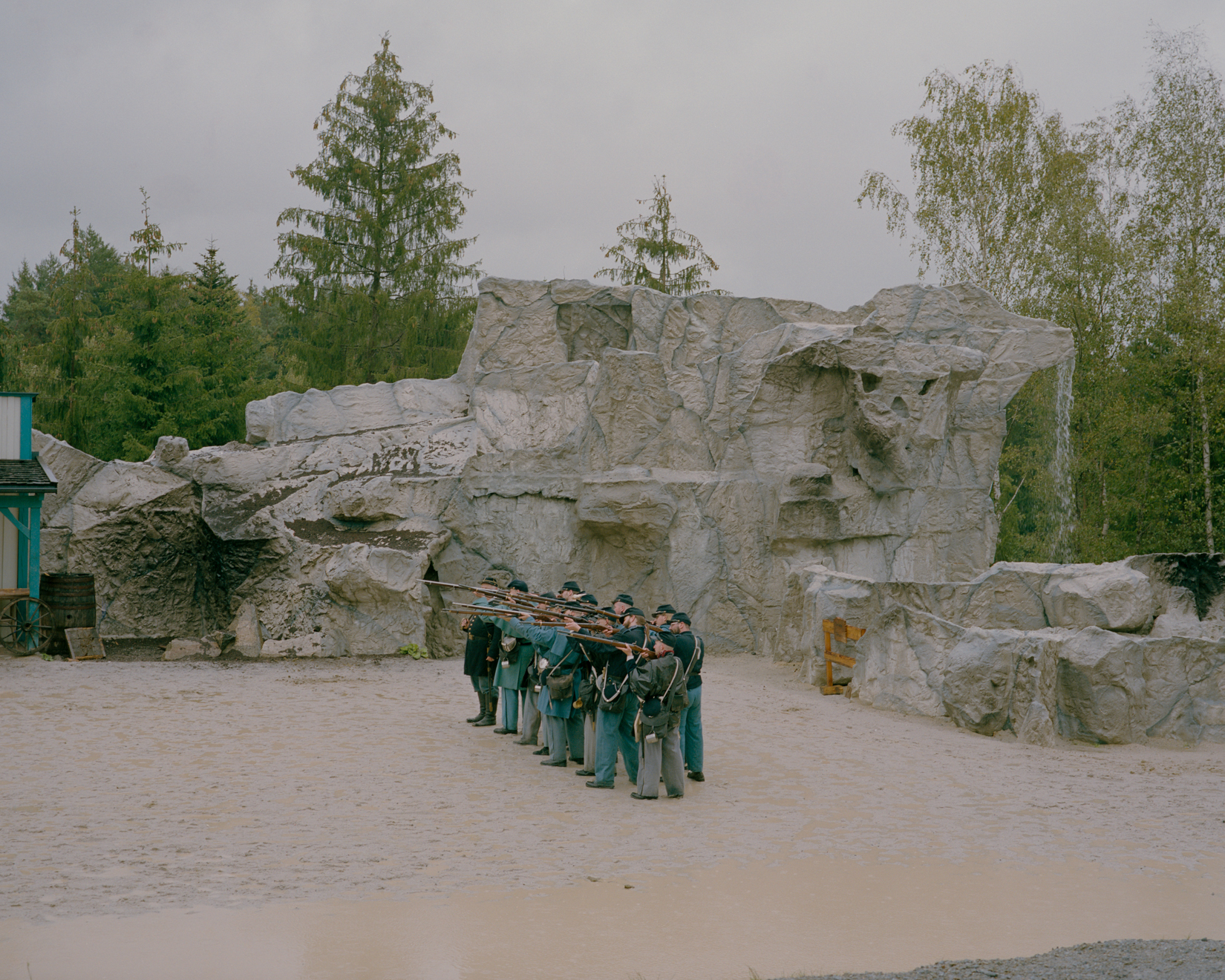
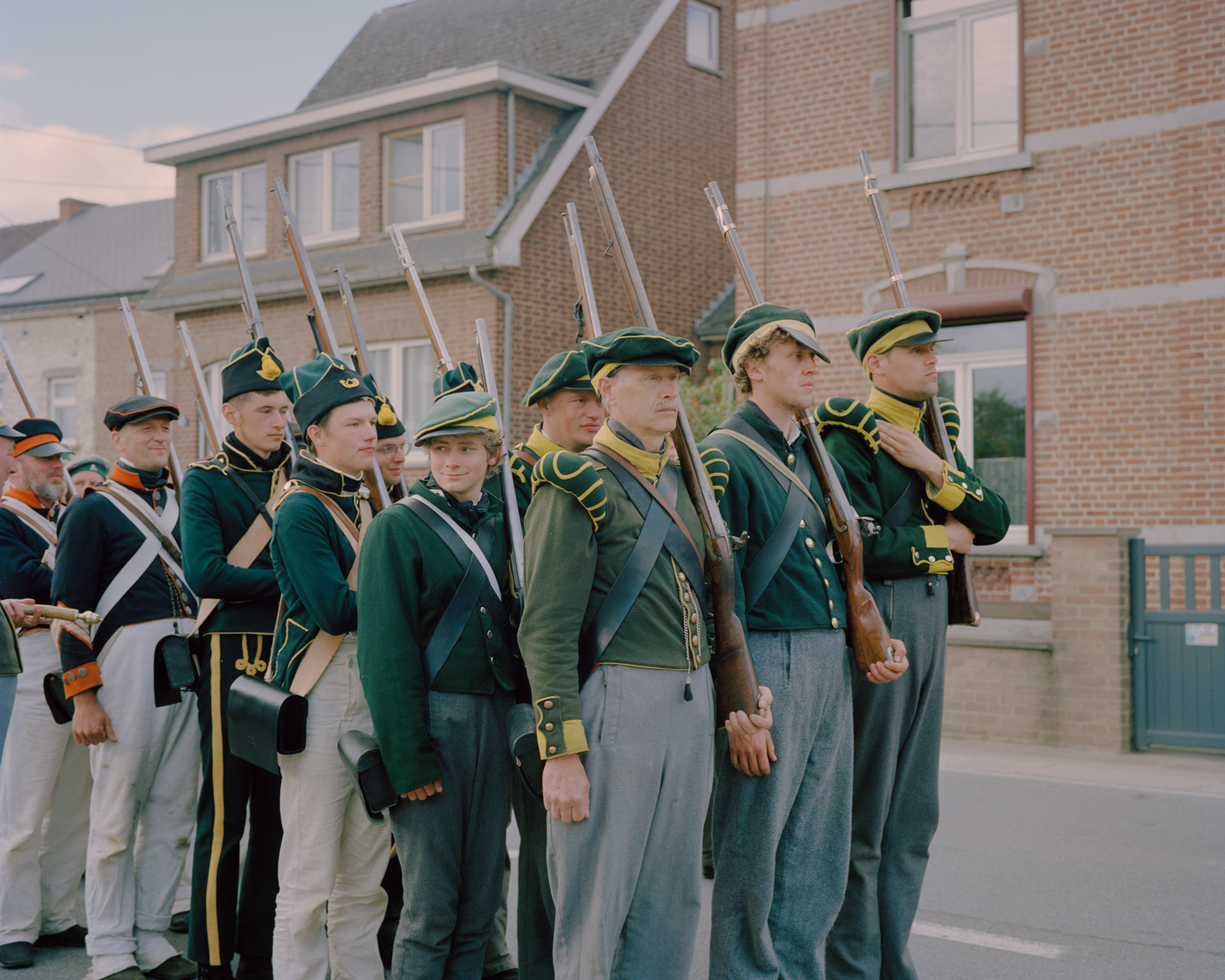
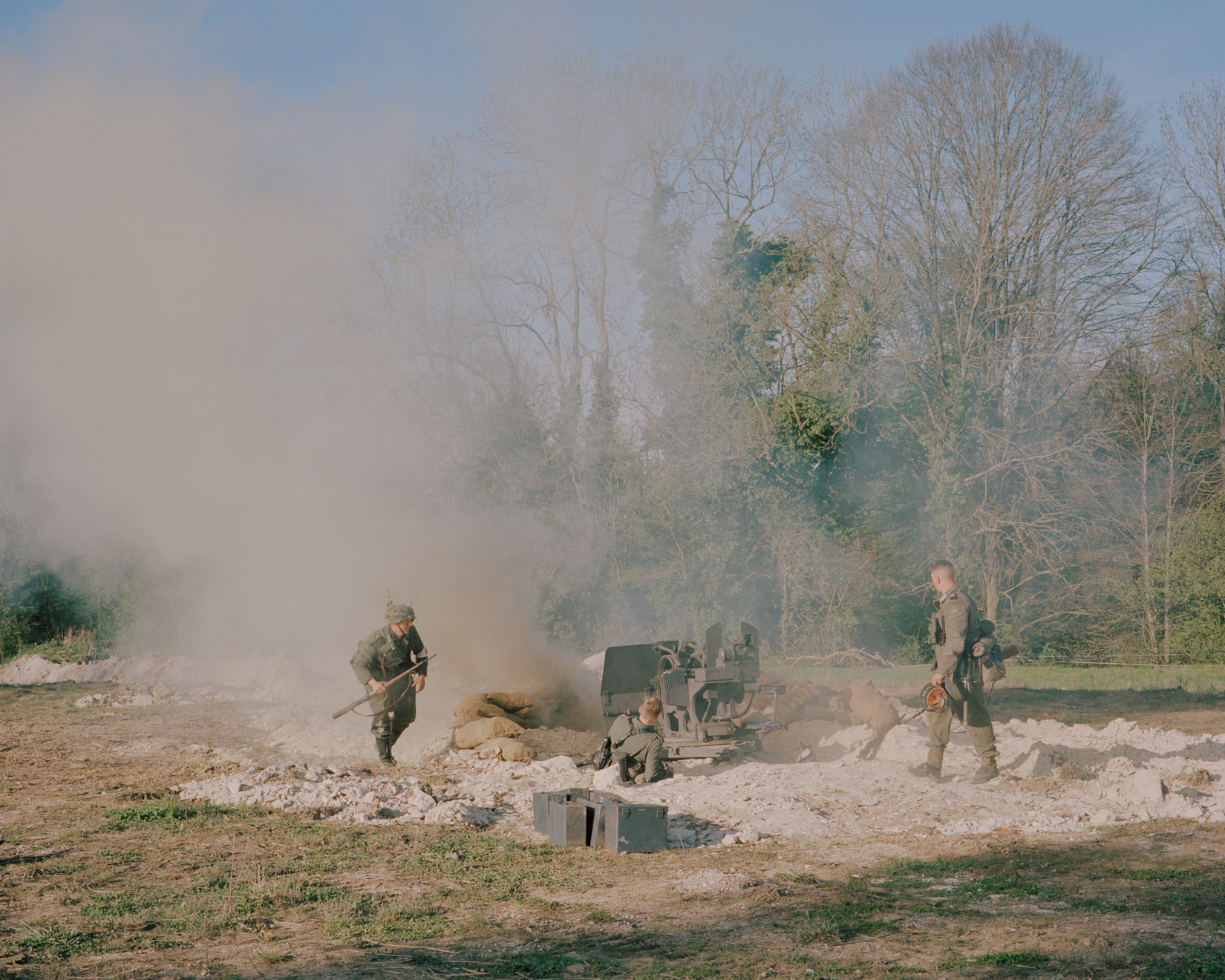
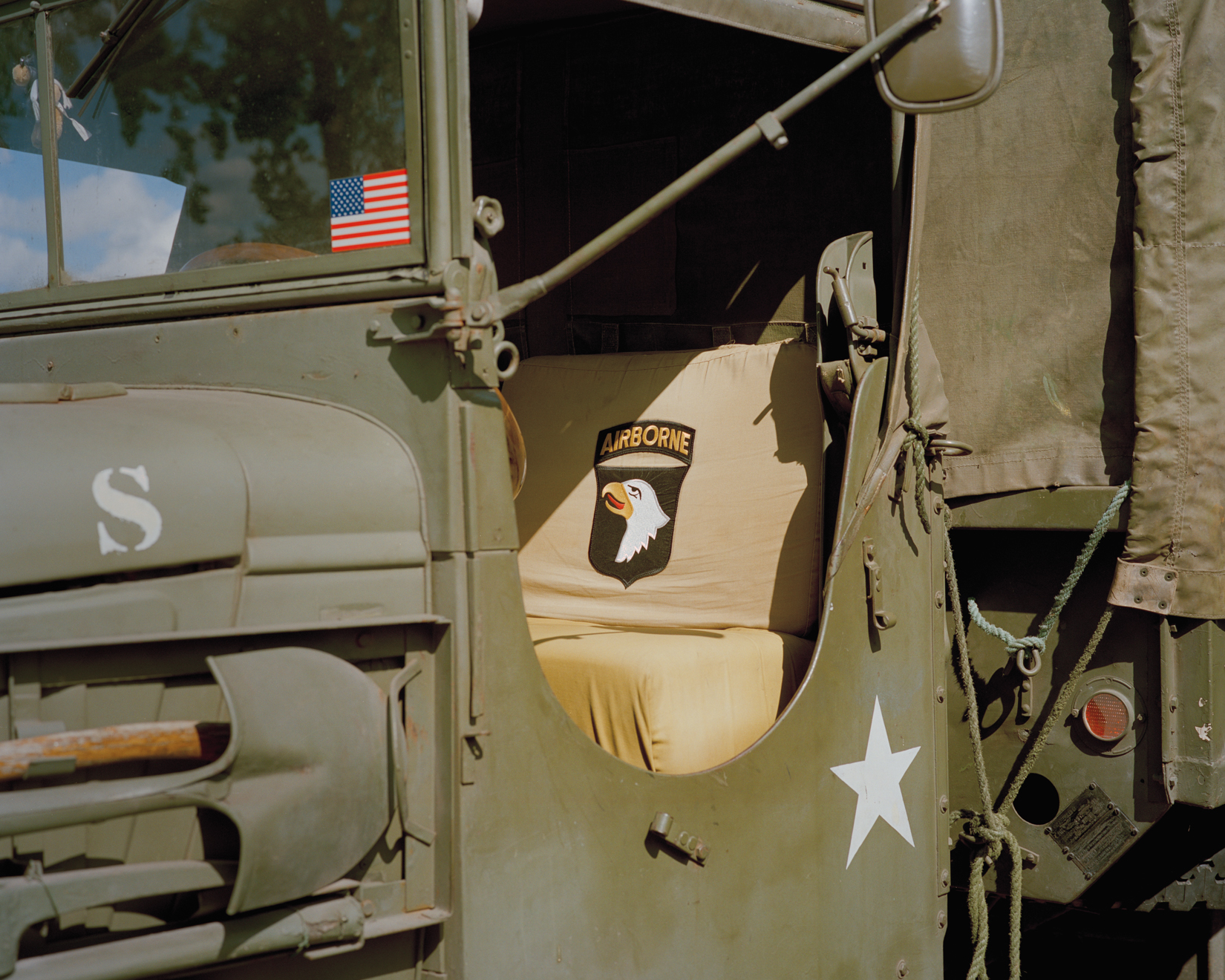
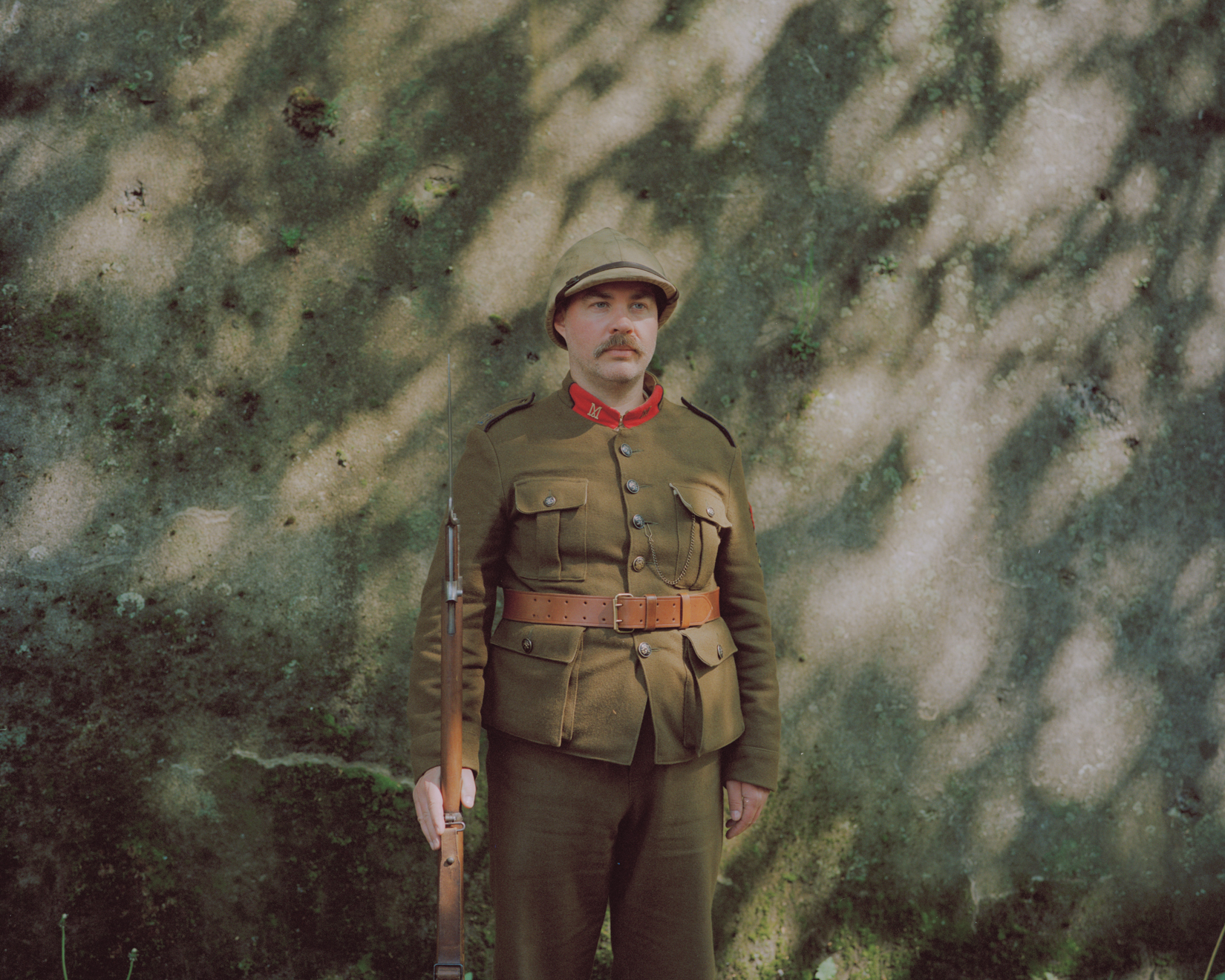
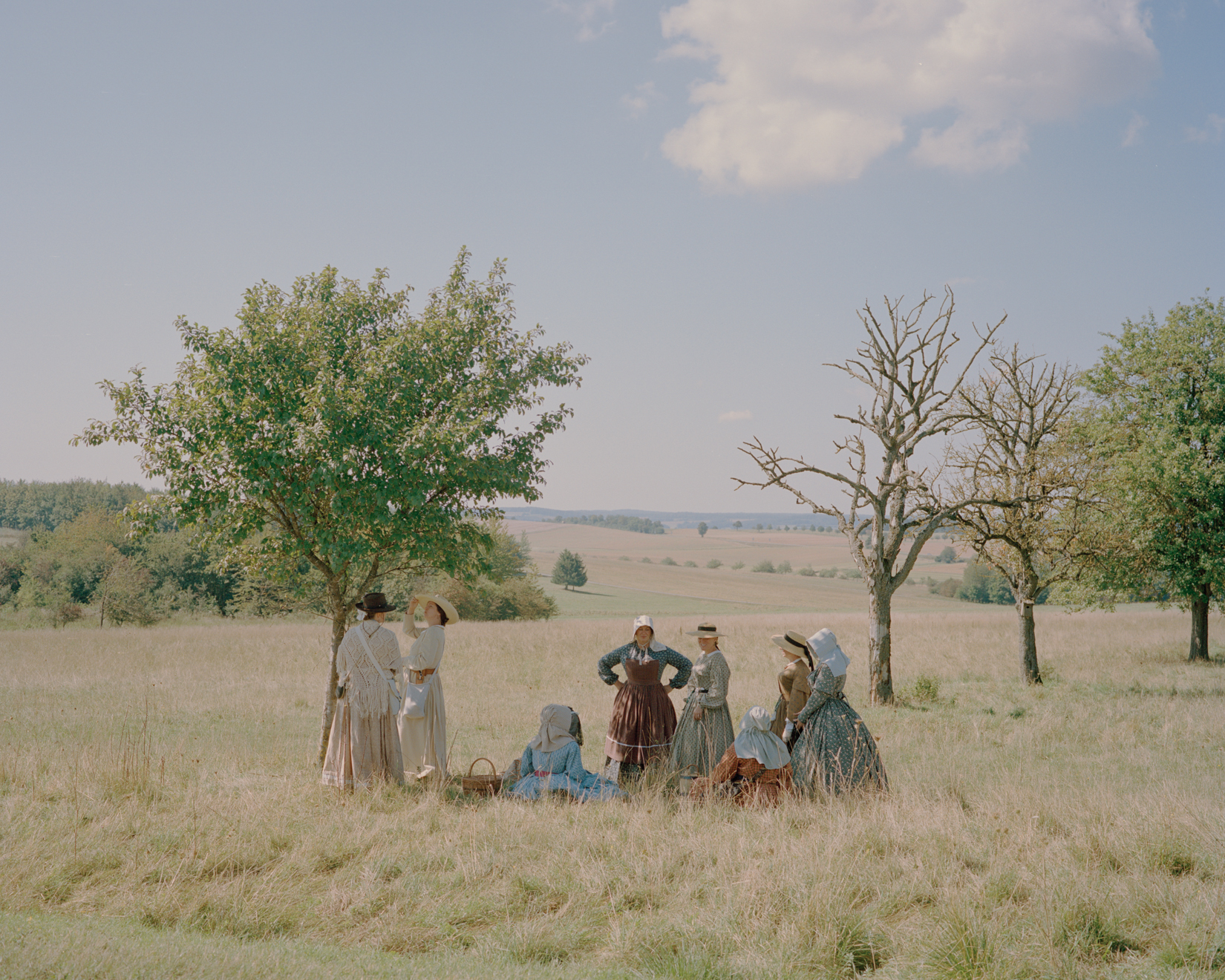
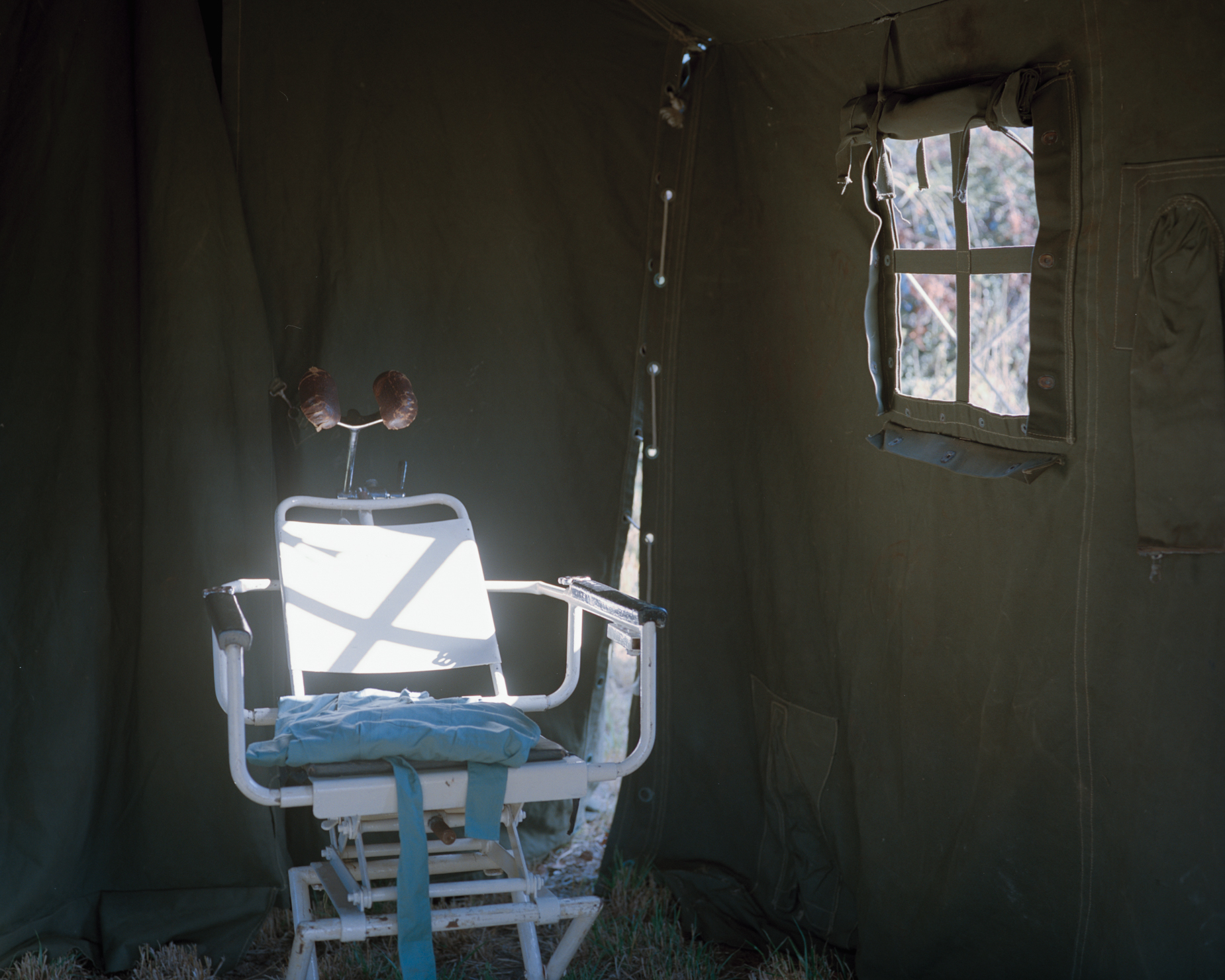
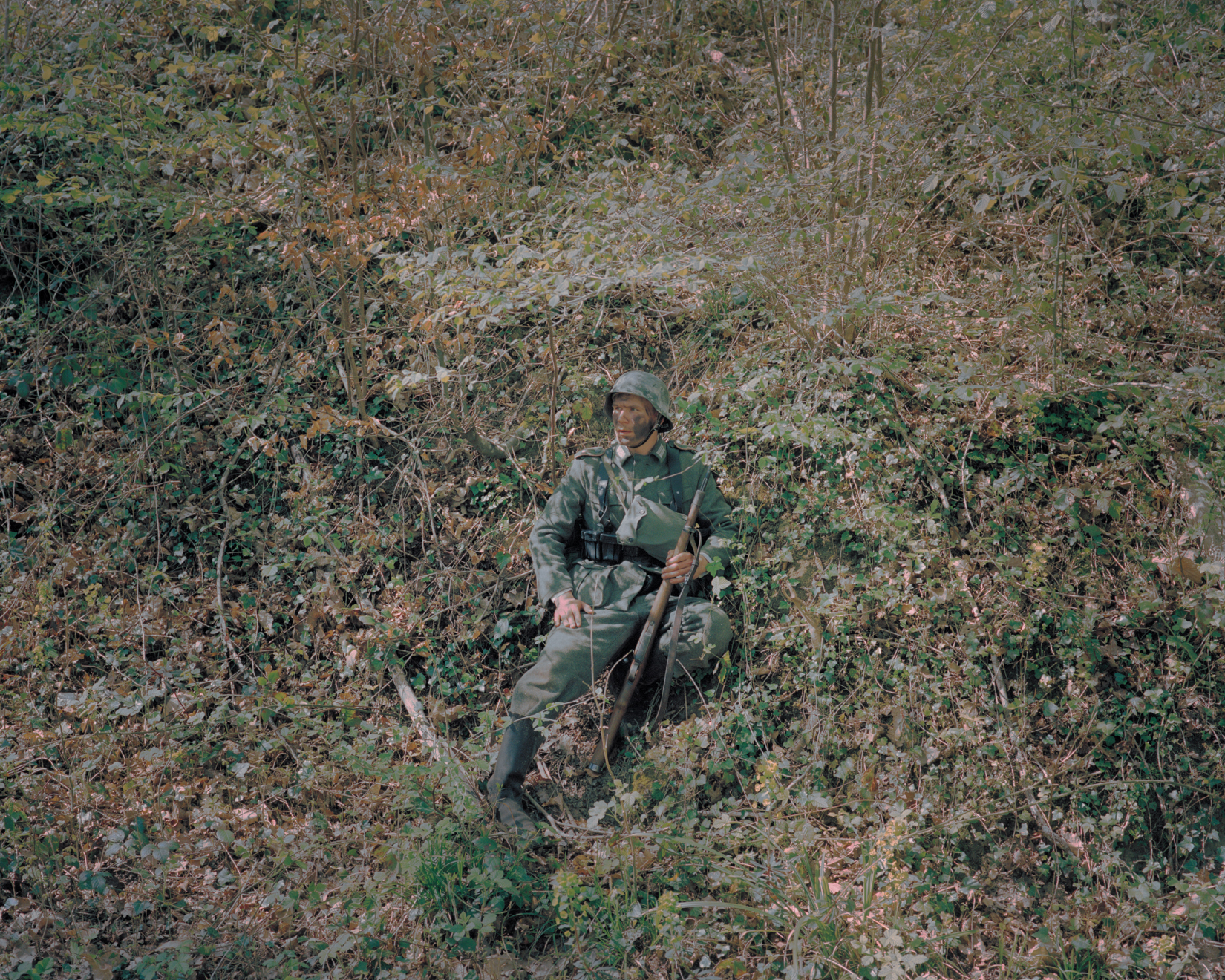
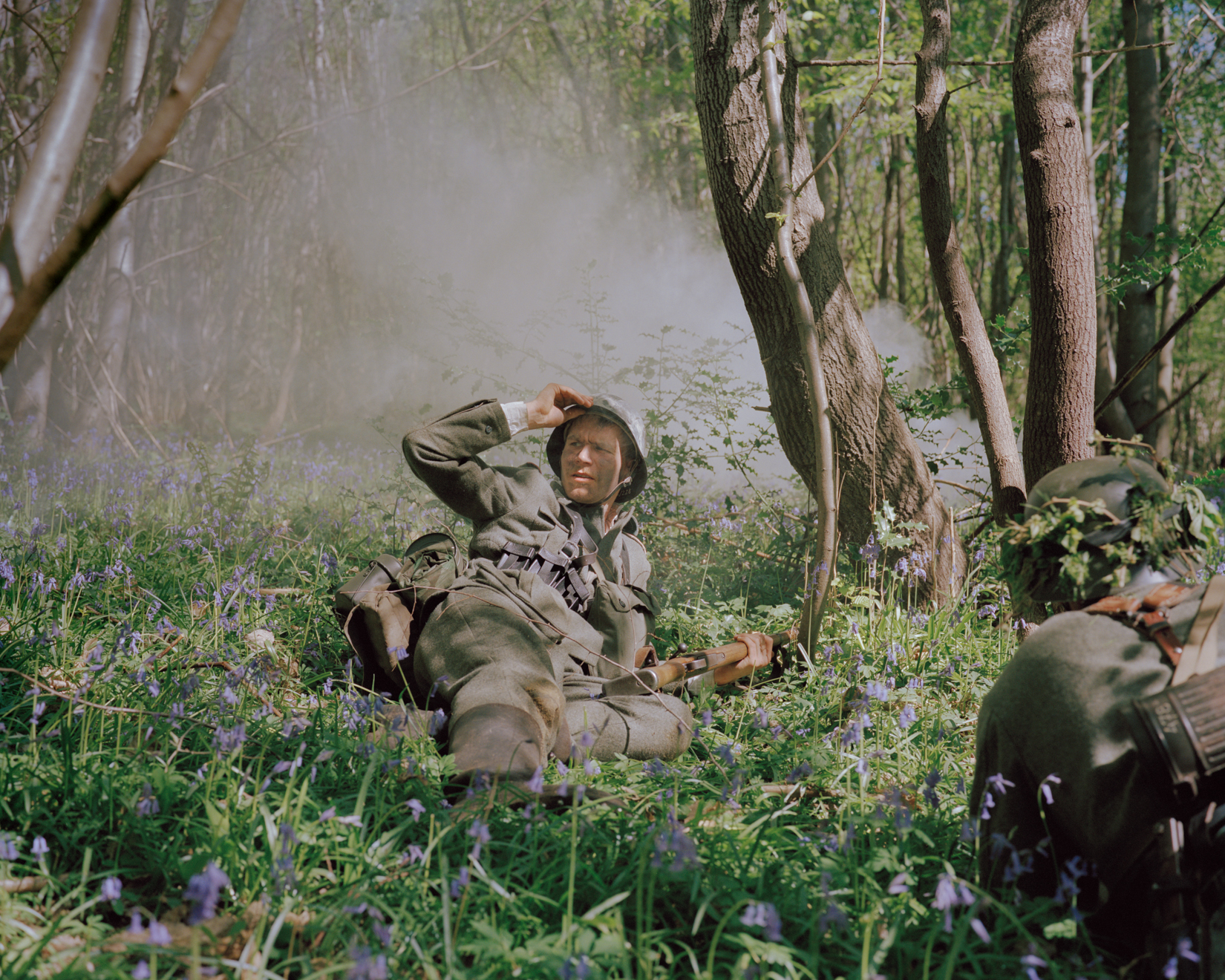
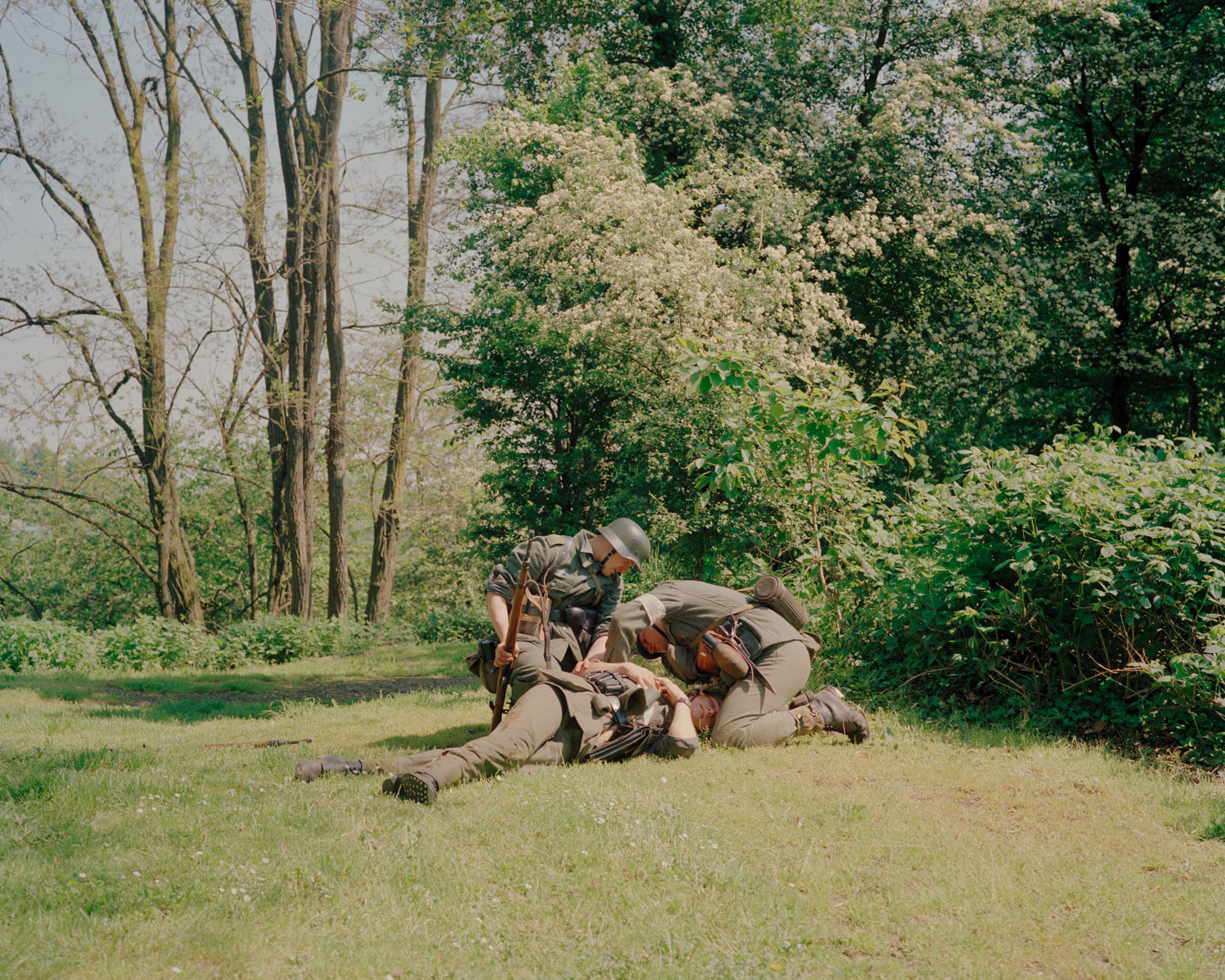
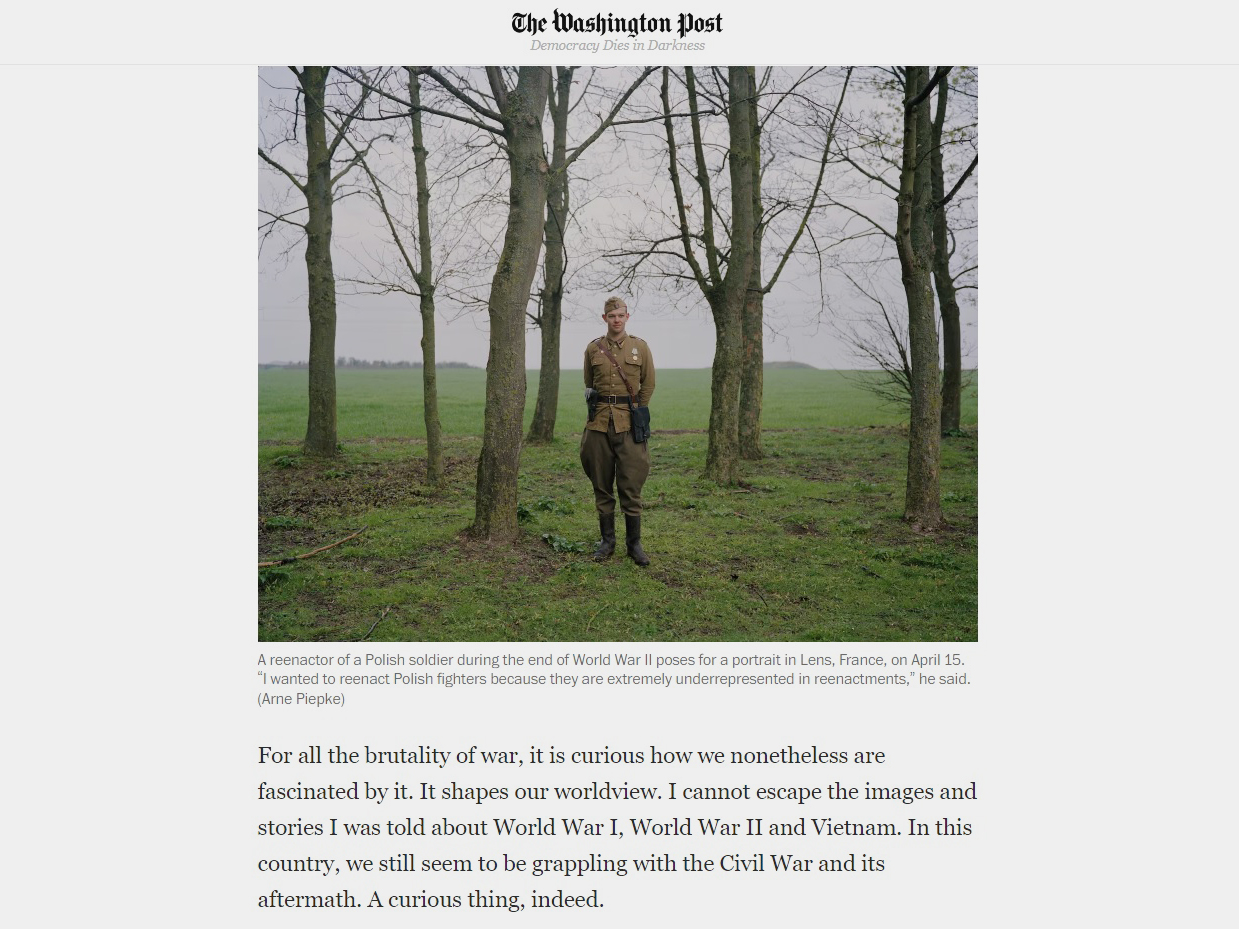
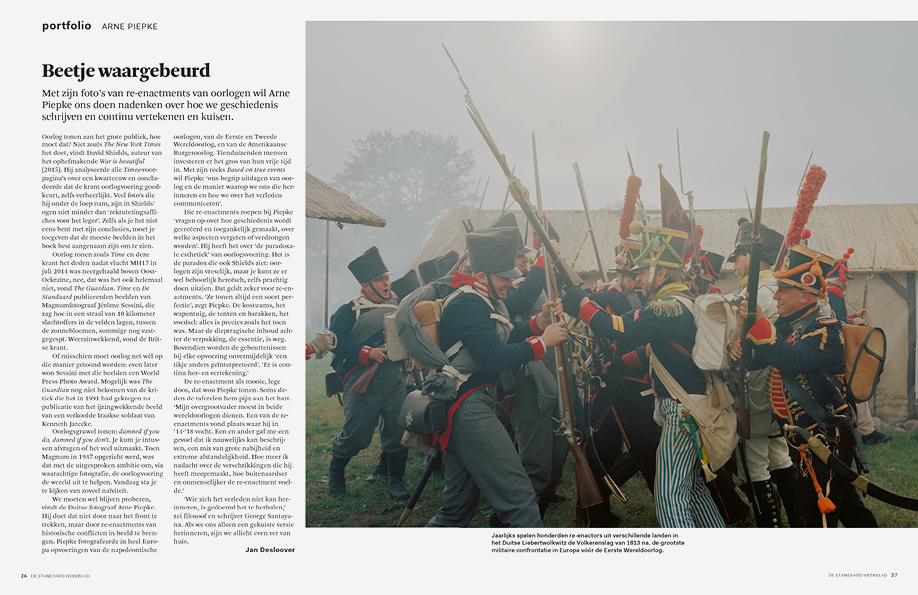
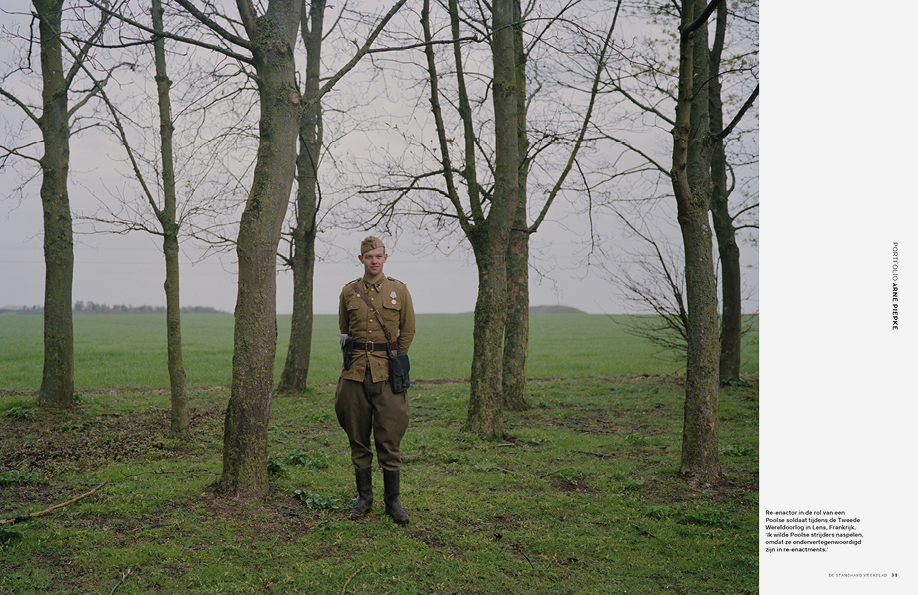
Based on True Events documents war reenactments across Europe in order to question how historical wars are understood and remembered, confronting viewers with the paradoxical aesthetics of war.
It explores how history is constructed and accessed, and which aspects may be forgotten, simplified, or repressed.
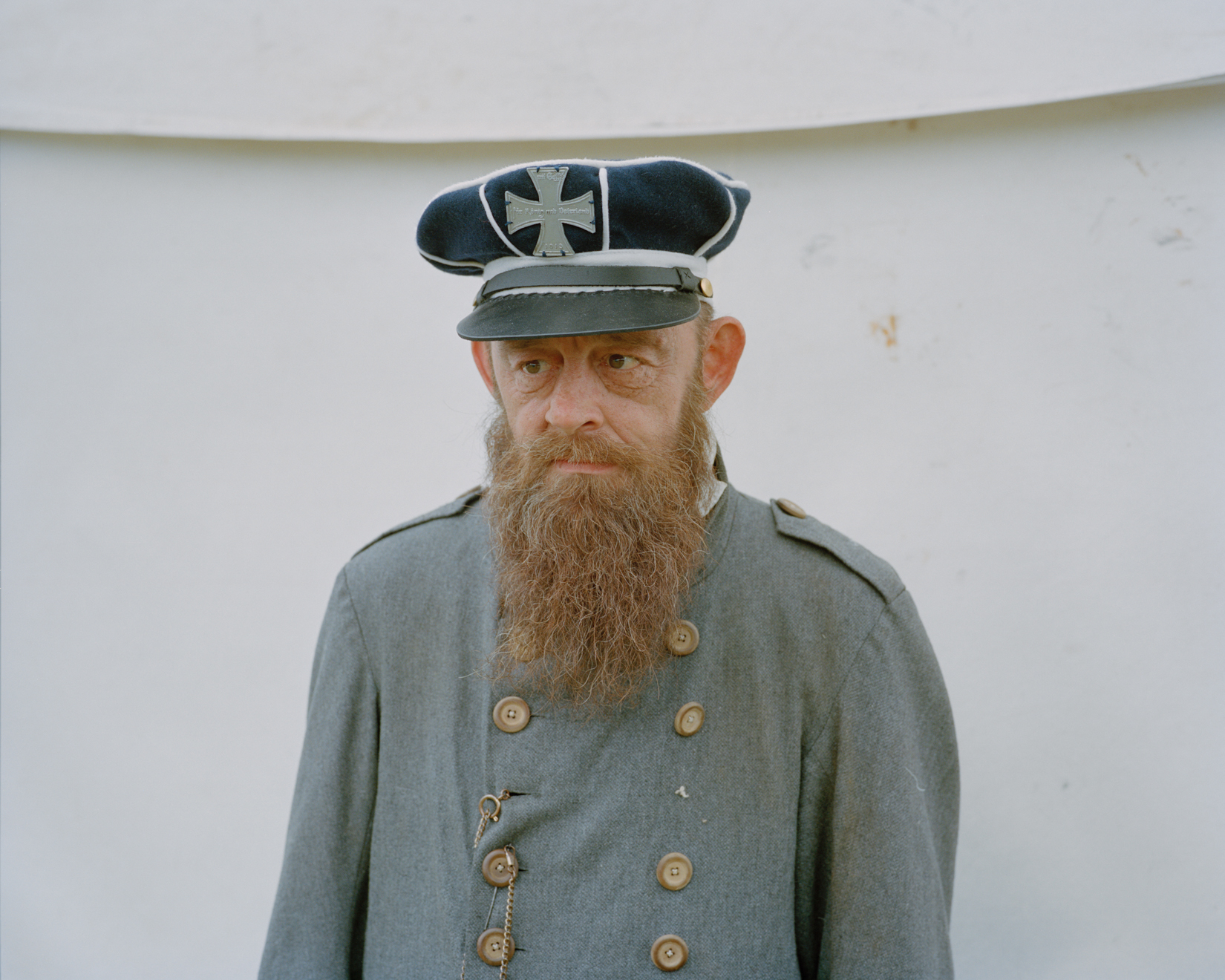
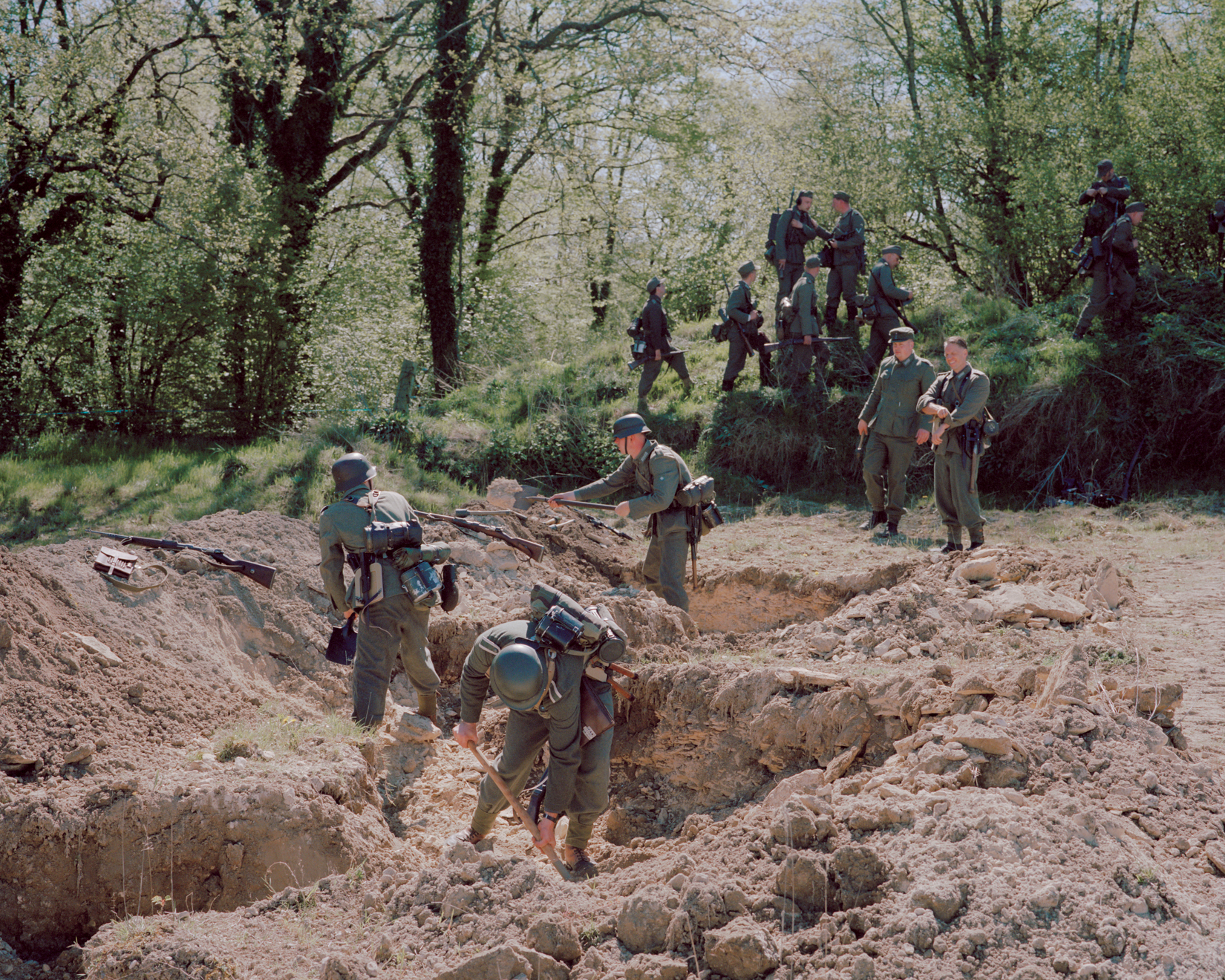
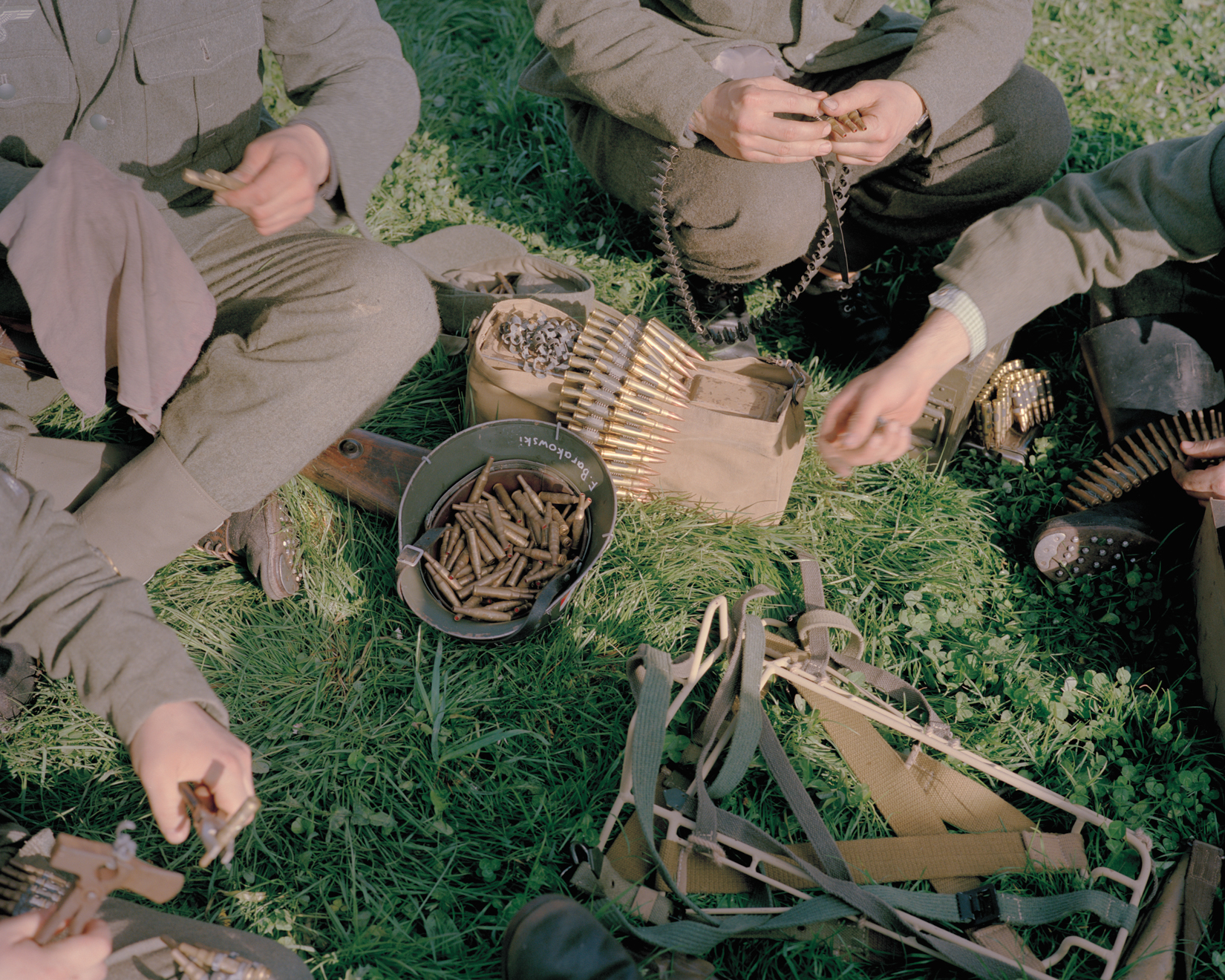
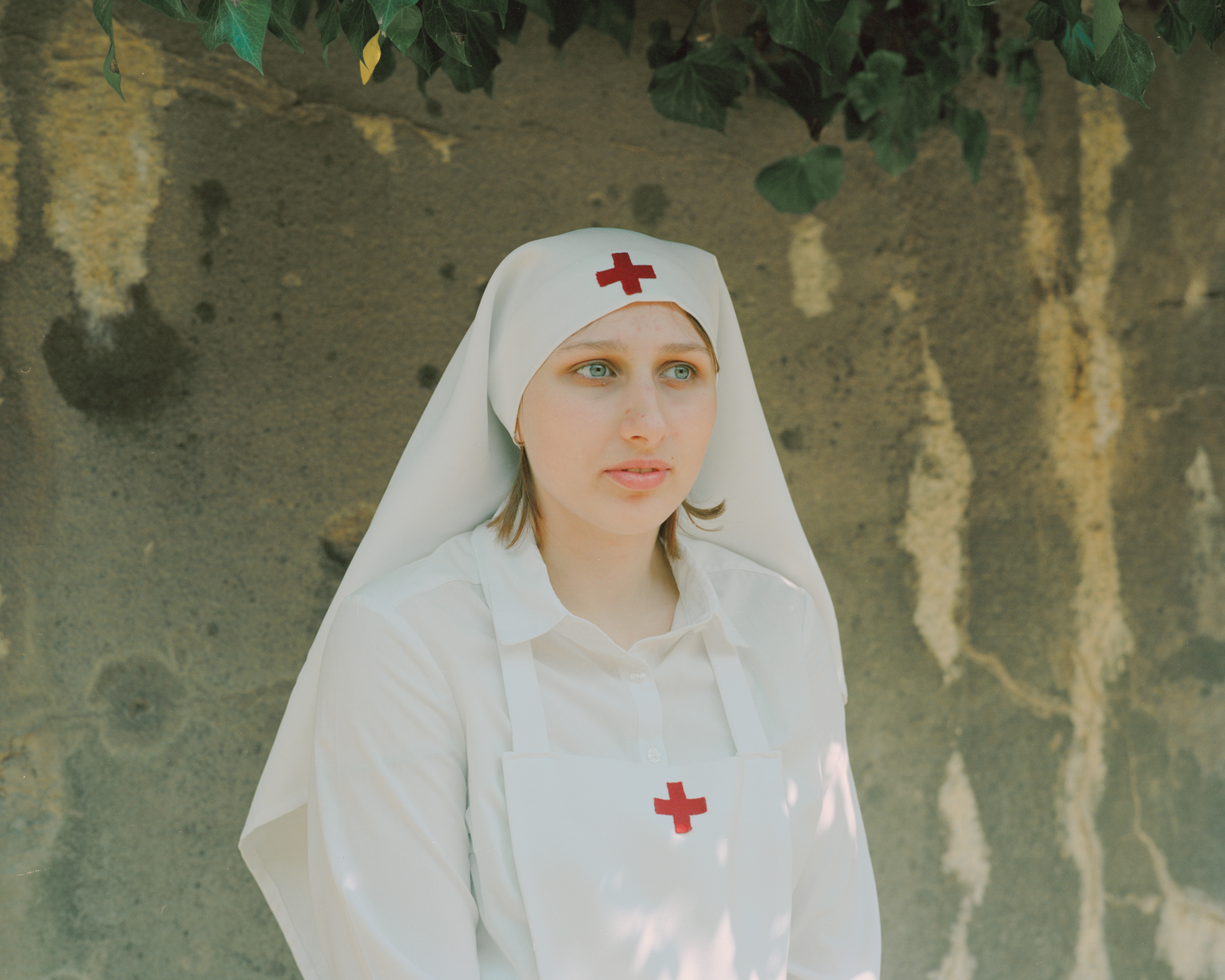
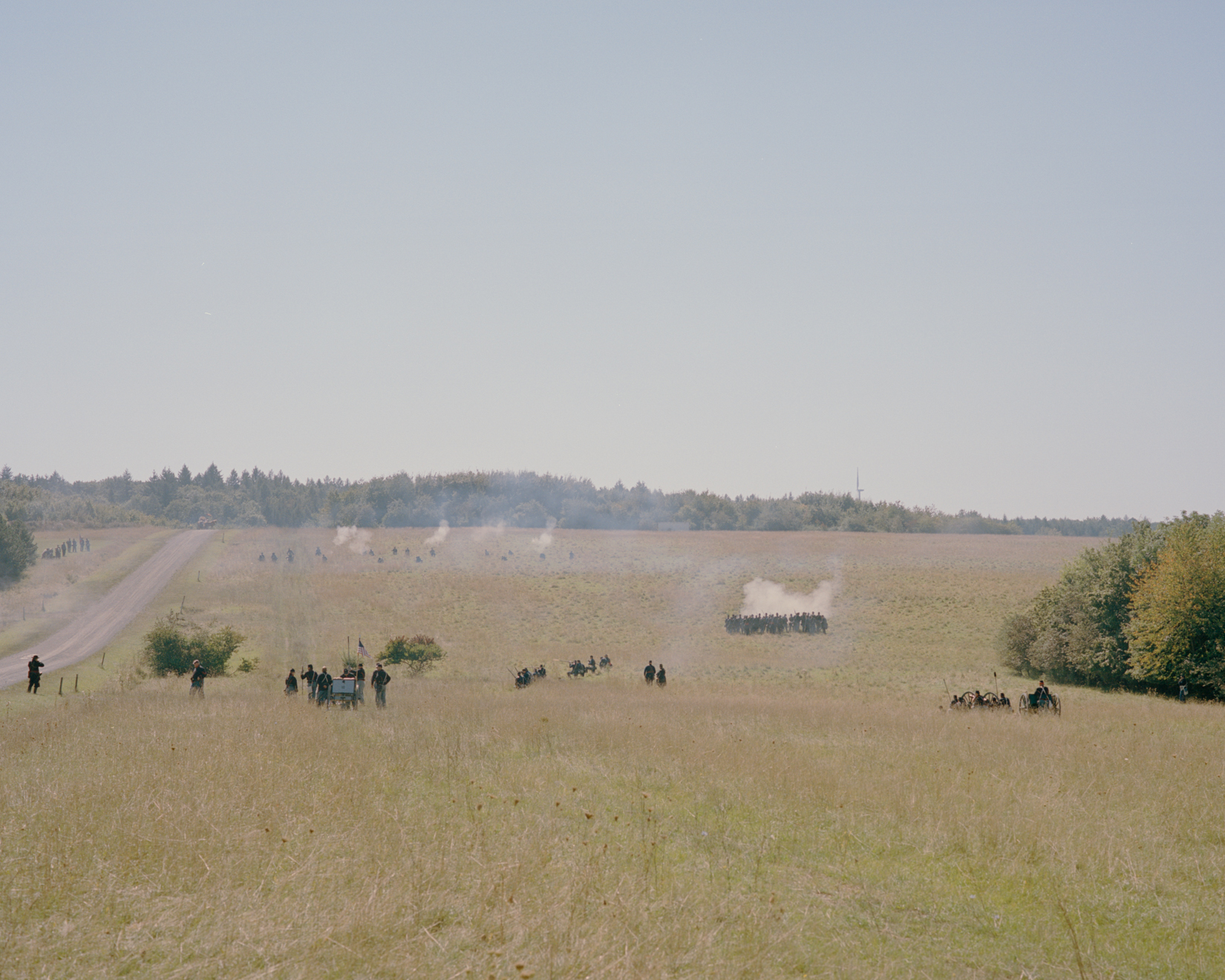
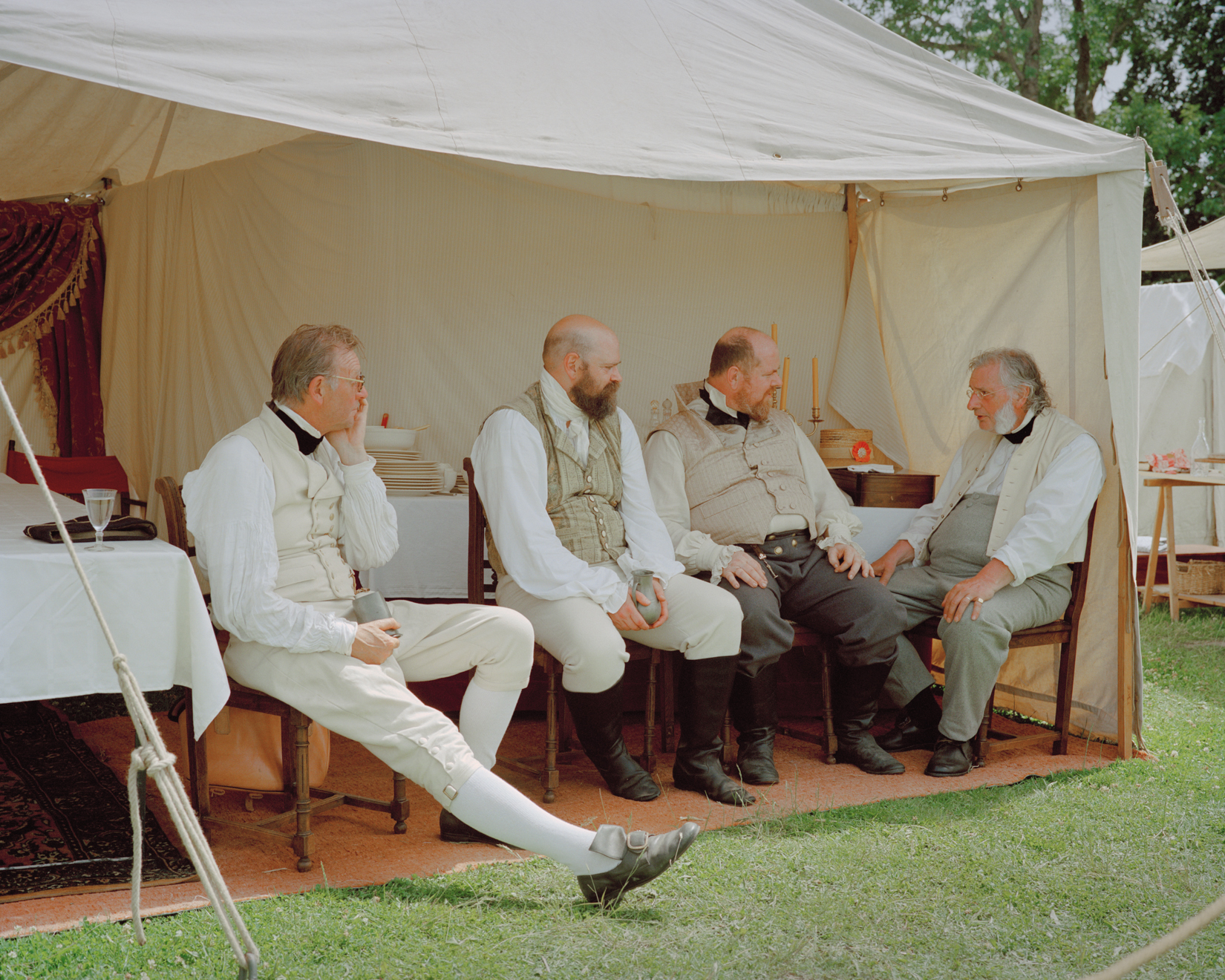
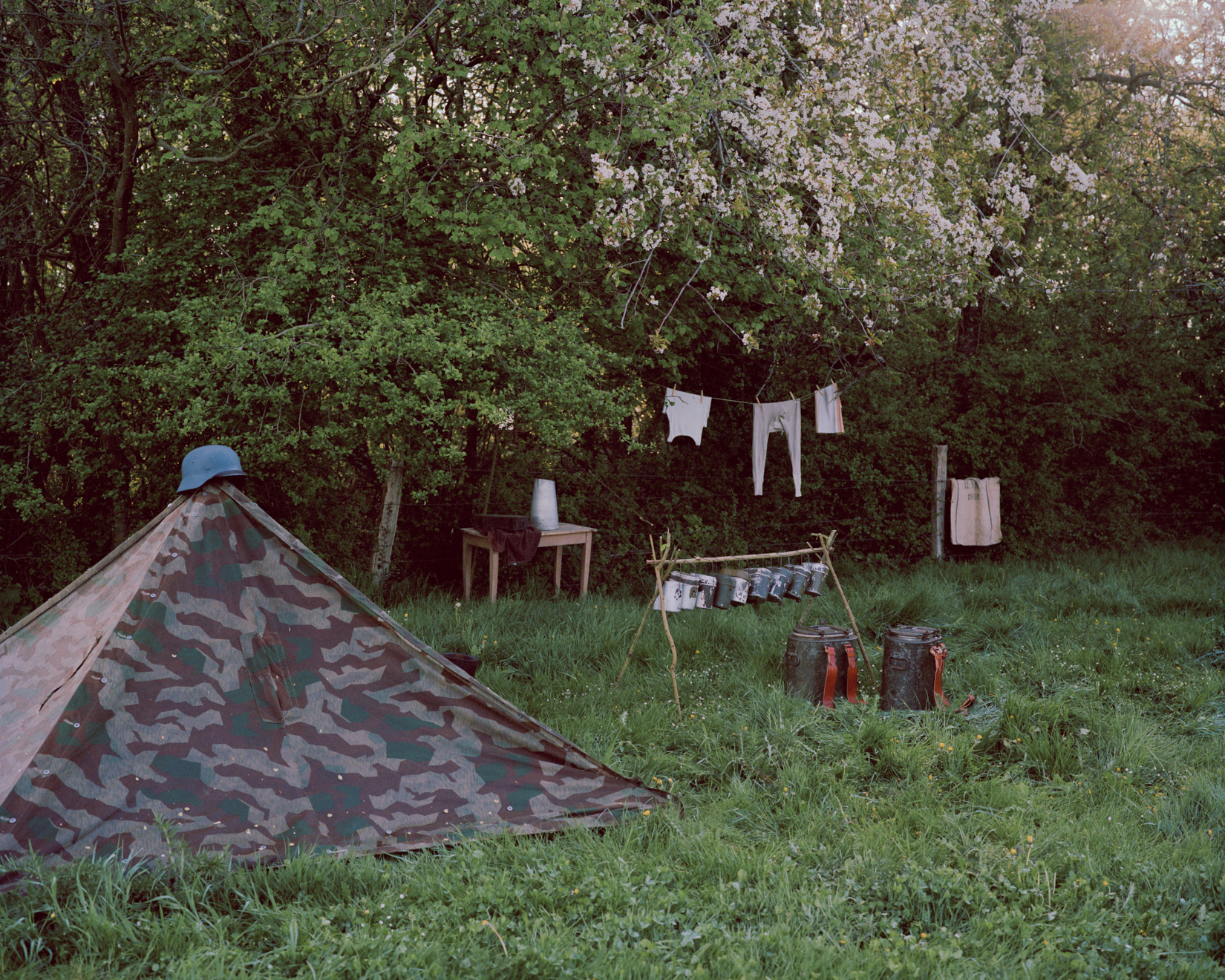
Reenactments of the Napoleonic Wars of Liberation, the American Civil War, and the First and Second World Wars were visited in Belgium, France, and Germany. While some of these events are staged for public audiences, others take place on private property and remain closed to outsiders. Many reenactments follow strict rules, military ranks, and procedures. Not only uniforms, but also food, equipment, and shelter are expected to reflect historical accuracy.
Many reenactors possess extensive historical knowledge. Some own original artifacts, tailor parts of their uniforms themselves, or acquire them from specialized craftsmen. Their motivations vary widely: historical curiosity, a desire to better understand the experiences of relatives who fought in earlier wars, fascination with weapons and military culture, collecting, or a romanticized perception of war and camaraderie.
While many participants take part in staged battles, others reject combat reenactment and instead focus on presenting historically accurate uniforms and the everyday life of soldiers.
With every reenactment, the historical events on which they are based are reinterpreted, carrying the risk of distortion or simplification. Reenactments often present a form of “perfect warfare” that cannot fully convey the realities of death, displacement, and trauma.
What exactly is being reenacted; something that happened, or something that is believed to have happened?
The work emphasizes the over-aestheticization of these performances, highlighting the tension between truth and fiction. In their striving for historical perfection, the reenactments ultimately reveal their own artificiality. The work raises the question of what kind of understanding of war is conveyed through these representations—and how societies choose to remember these conflicts.
︎
As a German, seeing someone in a German Wehrmacht uniform for the first time was a strange feeling. I often thought of my great-grandfather, who had to serve in both World Wars. One of the reenactments took place on a former World War I battlefield. I have a letter from my great-grandfather, which he sent during his time in the First World War. The location on the letter is right next to the battlefield where I was to photograph a reenactment over a hundred years later. This gave me a feeling which I could hardly describe, a mixture of closeness and distance. The more I thought about the history of my great-grandfather and the horrors he must have experienced, the more distant and alien I felt in these situations.
Publications
Washington Post


De Standaard
![]()
![]()
![]()
![]()


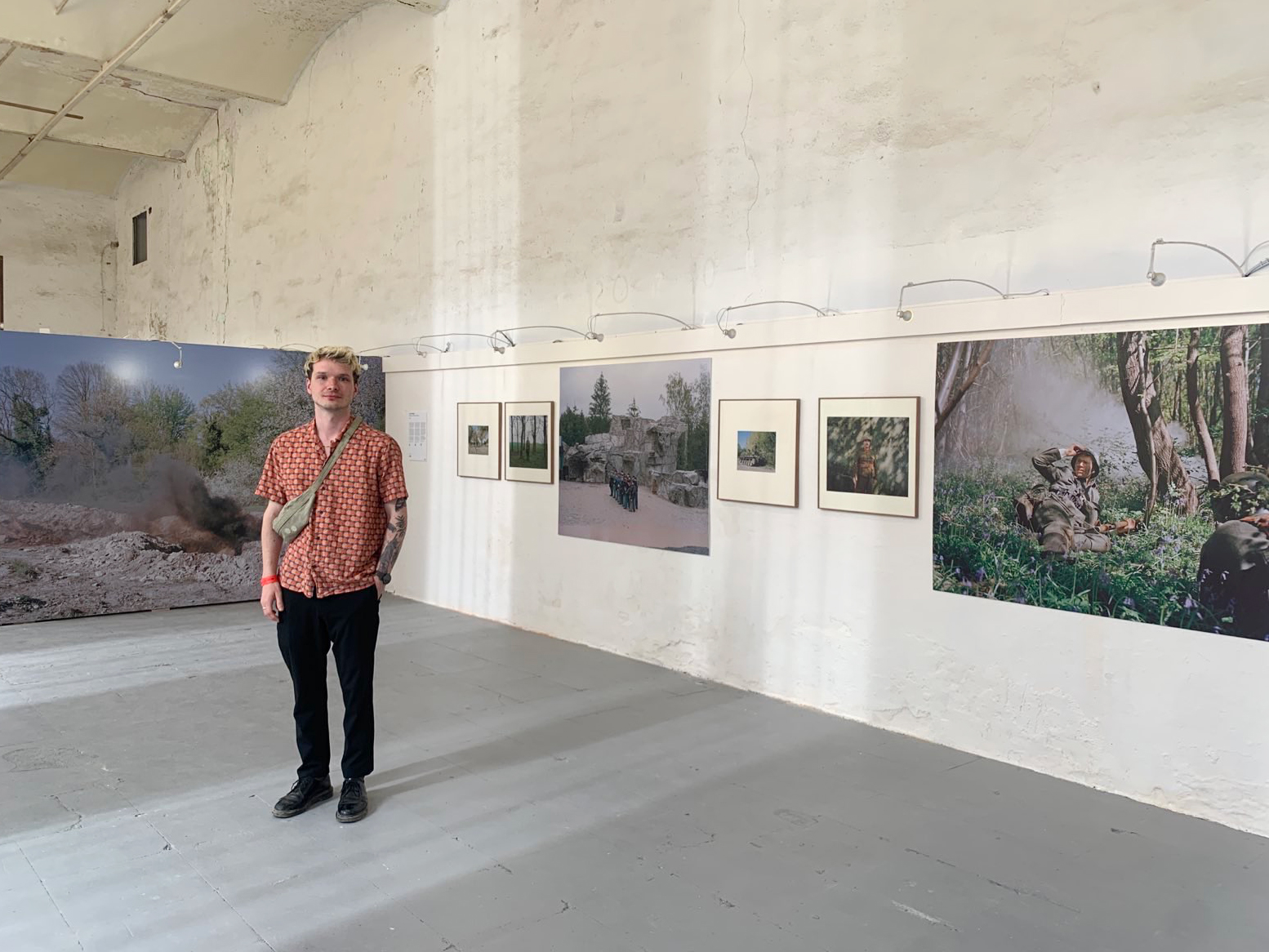
Exhibition
Revela’t - Barcelona, Spain
May 18th to June 16th, 2024